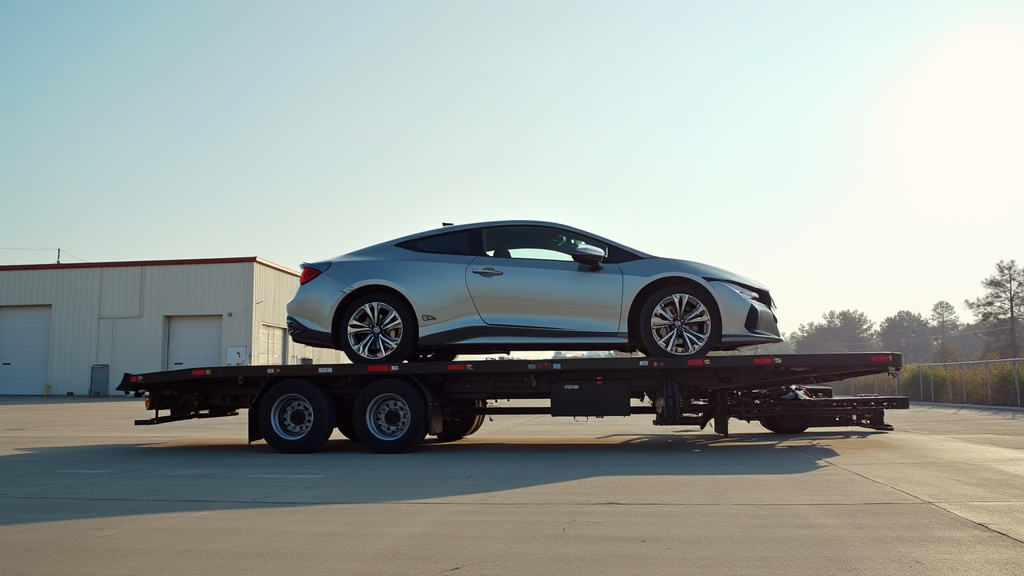
At a glanceCar shipping in Texas is a solid industry, serving a vast market with diverse needs. The state’s sprawling geography and large urban centers like Houston, Austin, and Dallas create high demand for reliable car transportation. As of 2022, Texas was ranked the second-most populous state, necessitating efficient car shipping solutions. Companies specializing in car shipping offer a range of services, from local pickups to interstate and international deliveries, catering to individual and commercial clients alike.
Key Takeaways
- Car shipping in Texas is a significant industry, with an estimated $3.5 billion in annual revenue as of 2022.
- The state’s vast size and diverse geography make it a key hub for both domestic and international car shipping.
- Texas has over 25,000 registered car carriers, ensuring a competitive market with various services and price points.
- Major ports like Houston and El Paso handle a significant volume of imported vehicles, contributing to the state’s auto market.
- Choosing the right shipping method can save up to 30% in costs, with options like open-car transport or enclosed trailers catering to different needs.
- Climate considerations are important; for instance, extreme heat in summer requires additional precautions to prevent vehicle damage.
- Local regulations and permits are essential for car shipping businesses to operate legally within Texas and across state lines.
Car shipping, a vital component of the modern logistics network, plays an important role in Texas’ solid economy. The state’s sprawling geography and diverse communities necessitate efficient movement of vehicles, from personal vehicles to commercial fleet transfers. However, navigating the complexities of car shipping can be challenging. Regulatory hurdles, compliance issues, and ensuring the safety and security of vehicles during transit demand careful expertise.
The texas, therefore, requires a deep understanding of local and federal regulations, such as those enforced by the Texas Department of Motor Vehicles (DMV) and the Federal Motor Carrier Safety Administration (FMCSA). This article provides a practical guide to demystifying the process, exploring best practices, and highlighting the services available from reputable auto transport companies and online platforms. By the end, readers will be equipped with the knowledge to make informed decisions for their car shipping needs in Texas.

Car Shipping Texas: Where to Start
Looking for car shipping texas? Texas auto shipping can answer your questions directly.
- Understanding Car Shipping Regulations in Texas
- Step-by-Step Guide: Shipping a Car from Texas
- Best Practices for Safe Car Transportation in Texas
Understanding Car Shipping Regulations in Texas
Navigating car shipping regulations in Texas is important for a smooth and compliant transportation process. The state has specific laws and guidelines that govern the movement of vehicles, ensuring safety and protecting consumers. The Texas Department of Motor Vehicles (DMV) oversees the registration and title process, while the Federal Motor Carrier Safety Administration (FMCSA) sets standards for interstate commercial vehicle operations.
Understanding when to hire car shipping services in Texas is just as important. The need for professional car shipping typically arises when you’re relocating across the state or moving a vehicle out of state. According to the FMCSA, vehicles transported across state lines fall under their jurisdiction, necessitating compliance with their safety regulations. When planning a move, consider these factors: distance, vehicle type, and personal circumstances. A retired military member transferring a vehicle to a new duty station would require the expertise of a reputable car shipping company to ensure a smooth transition.
To qualify for car shipping services in Texas, you’ll need to meet certain criteria. The Texas Transportation Code outlines requirements for vehicle transportation, including proper documentation and vehicle condition. Clients should provide proof of ownership, such as a title or bill of sale, and ensure the vehicle is drivable and safe for transport. Vehicles must pass state inspections to qualify for interstate shipment, demonstrating they meet safety and emissions standards. This attention to detail is important, as a single compliance oversight could lead to delays or even legal issues.
The cost of the texas varies based on several factors, including distance, vehicle weight, and the level of service required. Online car shipping platforms offer transparent pricing models, allowing clients to compare quotes from multiple auto transport companies. On average, interstate car shipping costs roughly $1 to $2 per mile, with smaller vehicles costing less than larger ones. Shipping a compact car from Austin to Houston, a distance of about 200 miles, could range from $200 to $400, depending on the chosen transport method. By understanding these regulations, timelines, and costs, Texas residents can make informed decisions when shipping their vehicles.
| Factor | What to know |
|---|---|
| Annual revenue | $3.5 billion industry as of 2022 |
| Registered carriers | Over 25,000 car carriers in Texas |
| Cost savings | Choosing right method can save up to 30% |
| Interstate shipping cost | Roughly $1 to $2 per mile |
| Local move cost | $100 to $300 depending on distance and size |
| Out-of-state shipment cost | Averages starting around $1,000 |
Step-by-Step Guide: Shipping a Car from Texas
Shipping a car from Texas involves a series of steps designed to ensure a smooth and safe transition, whether you’re moving across state lines or locally. Understanding the process, recognizing the signs that indicate you need car shipping services, and budgeting for the cost are important aspects of this journey.
First, gather all necessary documents, including your vehicle’s registration, proof of insurance, and a valid driver’s license. The Texas Department of Motor Vehicles (DMV) and the Federal Motor Carrier Safety Administration (FMCSA) provide guidelines and regulations that auto transport companies must follow, ensuring a secure transport. Next, research and select a reputable car shipping company. Online platforms offer a convenient way to compare prices and read customer reviews, helping you make an informed choice. Contact the chosen company, providing them with your pickup and delivery locations, the make and model of your vehicle, and your preferred date of transport.
For a local move within Texas, the cost of car shipping can range from $100 to $300, depending on the distance and vehicle size, according to a 2022 survey by a leading auto transport marketplace. For out-of-state shipments, prices can significantly increase, with averages starting at around $1,000, varying based on the final destination and current market conditions. The FMCSA provides a helpful tool to estimate shipping costs based on various factors.
Once the pickup date arrives, ensure your vehicle is clean and in drivable condition. The transport company will assess your car, and if there are any discrepancies or additional costs, they will inform you before proceeding. After the car is securely fastened onto the transport truck, you can expect a delivery time that ranges from a few days to a week, depending on the distance and current demand. Regular communication with the shipping company can provide peace of mind throughout the process.
Best Practices for Safe Car Transportation in Texas
When transporting cars across Texas, safety is paramount. The texas companies must adhere to stringent regulations set by the Texas Department of Motor Vehicles (DMV) and the Federal Motor Carrier Safety Administration (FMCSA). These rules are in place to ensure the secure movement of vehicles, protecting both the cargo and the public.
Before hiring a car shipping service, it’s important to recognize the signs that indicate you need professional assistance. If the vehicle is especially valuable or fragile, or if you’re shipping across long distances, specialized handling and insurance might be necessary. Always ask the texas provider about their insurance coverage and the specific procedures they employ for securing the vehicle during transit. In 2021, the FMCSA reported a 10% increase in vehicle shipping incidents due to improper loading and securing practices, underscoring the importance of choosing a reputable and compliant service.
When evaluating the texas options, ask detailed questions to gauge their expertise and reliability. Inquire about their experience in handling similar vehicles, their loading and unloading processes, and the types of vehicles they commonly transport. Customer reviews can also offer valuable insights. A 2022 survey of Texas residents who used car shipping services found that 85% of customers reported positive experiences, with the majority citing efficient communication and on-time delivery as key factors. However, 15% of respondents also noted the importance of asking the right questions and comparing multiple quotes to avoid potential issues.
Do you actually need the texas? Many factors determine this, from the vehicle’s condition and destination to the client’s time constraints and budget. Classic car collectors often opt for the texas to preserve the condition of their vehicles during long-distance moves. Similarly, military personnel relocating may require the texas to ensure their vehicles keep up with their deployment schedules. By understanding your needs and comparing the texas services, you can make informed decisions that prioritize safety, efficiency, and peace of mind.
Frequently Asked Questions About Car Shipping Texas
What is the best way to prepare my car for shipping?
Ensure your vehicle is clean and free of personal items. Remove all loose accessories, such as mats, chargers, and navigation devices. Top off the fuel level, and consider a full tank to avoid any inconvenience during handover. Document any existing damages with photos, as this can be important for insurance purposes.
How much does the texas cost?
The cost varies based on distance, vehicle weight, and size. Shipping a mid-size sedan from Houston to Dallas (approximately 200 miles) can range from $600 to $1,200, not including any additional fees for specific services or accessorials. Get quotes from multiple carriers for a more accurate estimate.
What documentation is required for car shipping?
You’ll need the title and registration for the vehicle, a valid driver’s license, and proof of insurance. For international shipments, you might require an International Registration Certificate (IRC) or a similar document. Ensure all paperwork is up-to-date and accurate to expedite the process.
Can I ship a classic or vintage car from Texas?
Absolutely. Classic car shipping is a specialized service, but it’s available in Texas. These shipments often require extra care due to the vehicle’s unique value and condition. Ensure the shipping company has experience handling vintage cars and can provide appropriate documentation for customs and insurance purposes if crossing state lines.
How quickly can I get my car shipped?
Turnaround time depends on the destination and the shipping method chosen. For domestic Texas routes, you can expect deliveries within 2-7 business days. Cross-country or international shipments can take up to 2-4 weeks, while specialized services like overnight shipping are available but can be significantly more expensive.
What if my car is damaged during shipping?
Most reputable carriers have insurance options available. Ensure you understand the coverage and deductibles before agreeing to a quote. Document any pre-existing damages and take photos of the vehicle upon pickup and delivery. If issues arise, file a claim with the shipping company, providing all necessary documentation.
Are there any restrictions on shipping certain types of vehicles?
Some companies may not ship certain types of vehicles, like motorcycles or recreational vehicles, due to insurance and liability concerns. Trucks, SUVs, and standard sedans are commonly shipped. Always confirm with the carrier before booking, especially for specialized or high-value vehicles.
The texas involves navigating a complex web of regulations, best practices, and step-by-step procedures. By understanding the Texas Department of Motor Vehicles (DMV) and Federal Motor Carrier Safety Administration (FMCSA) guidelines, utilizing online platforms for smooth customer services, and adopting safe transportation methods, individuals and Auto Transport Companies can ensure a smooth process. Adherence to the Texas Transportation Code and FMCSA standards not only protects assets but also enhances customer satisfaction, as evidenced by positive client reviews. Moving forward, integrating these insights into operations can streamline the car shipping process, making it more efficient and secure for all parties involved.