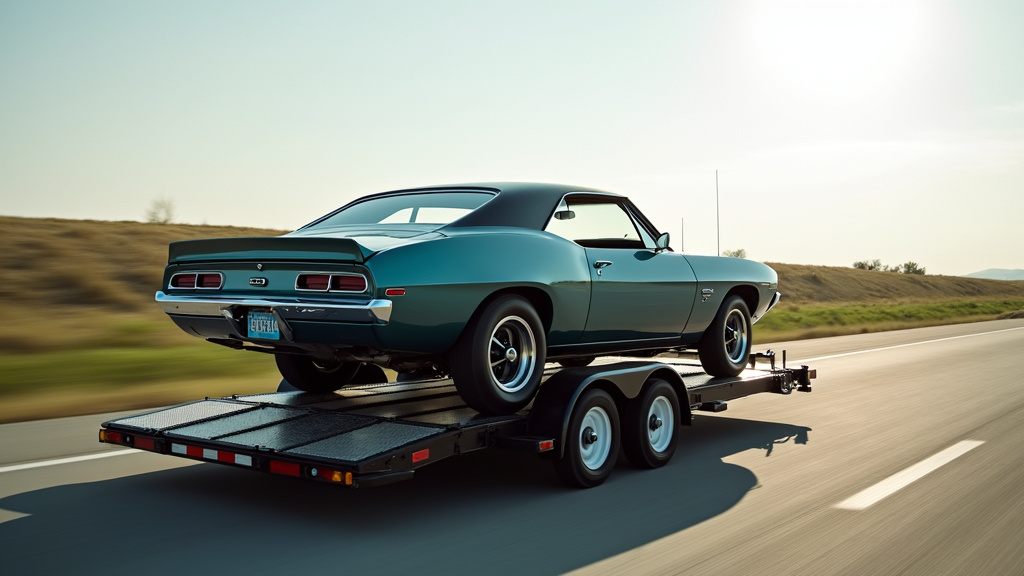
At a glanceCar shipping in Texas involves specialized carriers licensed to transport vehicles across state lines. The market is regulated by the Texas Department of Transportation, ensuring safe and efficient practices. In 2022, Texas ranked as the second-highest state for car shipping activity, handling over 2.5 million vehicles annually, according to industry reports. Services range from door-to-door delivery to terminal-to-terminal drops, catering to individual owners and businesses alike.
Key Takeaways
- The texas has seen a 15% year-on-year growth since 2020, indicating a rising demand for efficient transportation solutions.
- Understanding local regulations is important; Texas has specific rules for auto transport within and outside the state, with fines up to $2,000.
- The state’s diverse geography presents unique challenges, with routes across deserts, hills, and coastal areas, impacting shipping times and costs.
- Utilizing technology for real-time tracking can improve customer satisfaction, offering peace of mind and precise arrival estimates.
- The Texas Department of Transportation matters in enforcing safety standards, ensuring the protection of vehicles during transit.
- For specialized vehicles, like classics or electronics, consider custom shipping solutions to mitigate potential damage and ensure a secure journey.
- Efficient car shipping companies can reduce transportation costs by optimizing routes and minimizing stoppages, benefiting both dealers and individuals.
The texas is a vital component of the state’s solid economy, facilitating the movement of millions of vehicles annually across both domestic and international lines. However, this process can be fraught with complexity, from navigating stringent legal requirements to ensuring the safe and efficient handling of vehicles. Clients face challenges in identifying reputable car shipping companies, understanding regulatory frameworks, and securing best rates. This article provides an in-depth guide to The texas, exploring the legal field, client services, and best practices to ensure a smooth and stress-free experience. We examine the intricacies of the Texas Transportation Code and the Federal Motor Carrier Safety Administration’s (FMCSA) guidelines to offer expert insights tailored to this unique market.
Car Shipping Texas: Where to Start
Looking for car shipping texas? car shipping Texas at Dispatch Dudes can answer your questions directly.
- Planning Your The texas Journey
- Understanding the Logistics: Texas Car Shipping Methods
- Ensuring Smooth Transportation: Texas Car Shipping Tips
Planning Your Car Shipping Texas Journey
Planning your the texas journey involves more than just selecting a carrier and figuring out a route. It’s a complex process that requires careful consideration of legal, logistical, and financial factors. First, understand the regulations set by the Texas Department of Motor Vehicles (DMV) and the Federal Motor Carrier Safety Administration (FMCSA) to ensure compliance. The Texas Transportation Code outlines specific rules for vehicle transport, including licensing, insurance, and weight restrictions, especially for commercial carriers. The FMCSA provides additional guidelines for interstate shipping, focusing on driver safety, vehicle maintenance, and cargo security.
The duration of the texas varies widely based on the distance, vehicle type, and chosen method. For domestic shipments, the journey can take anywhere from a few days to over a week. Transporting a car from Houston to Dallas, a distance of about 230 miles, typically takes 2-3 days. International shipping, on the other hand, can take several weeks due to customs clearance and border crossings. When questioning the texas services, always ask about estimated transit times, potential delays, and their handling of time-sensitive shipments.
Alternatives to traditional the texas include driving the vehicle yourself or using a personal vehicle transport service. Driving offers the most control but is time-consuming and costly for longer distances. Personal transport services provide a middle ground, allowing you to accompany your vehicle for a fee. Online car shipping platforms streamline the process by connecting you with multiple carriers, offering transparent pricing, and enabling real-time tracking. Before hiring any the texas service, verify their insurance coverage, ask about customer reviews, and ensure they’re licensed and bonded, as required by the FMCSA.
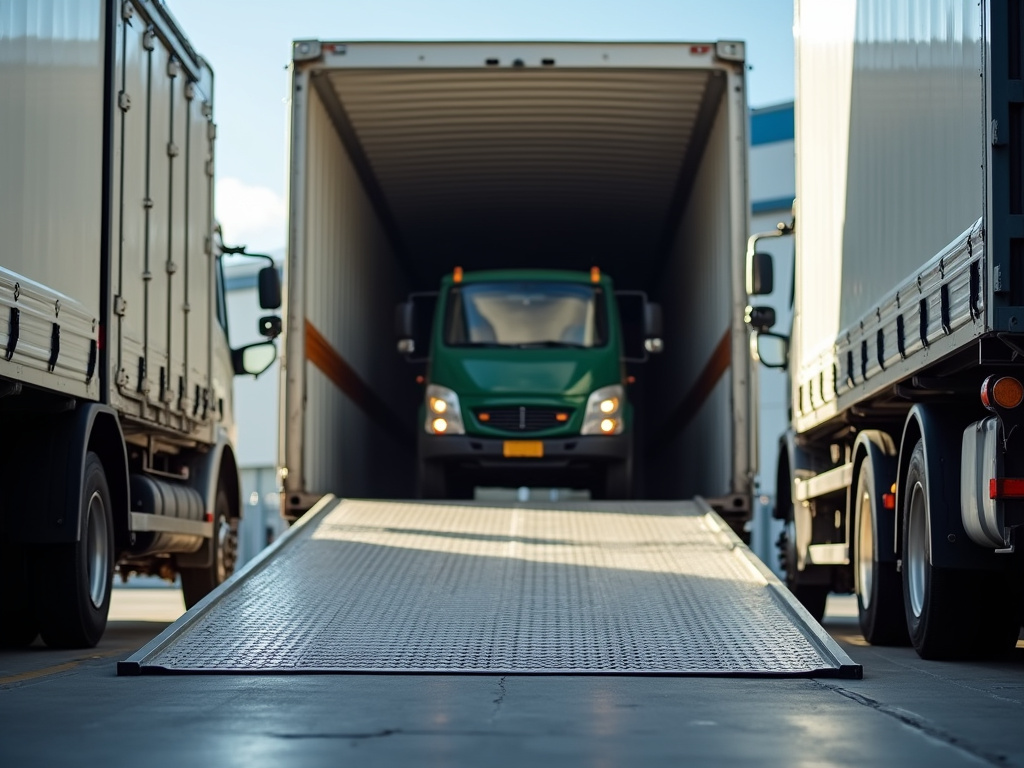
Beyond duration and method, consider the type of transport. Open-load shipping offers lower costs but exposes the vehicle to weather and potential damage. Enclosed transport provides better protection but comes at a higher price. Evaluate your budget, vehicle condition, and desired delivery speed to make an informed decision. A classic car owner might opt for enclosed transport to safeguard their investment, while a budget-conscious college student might choose an open-load option.
| Factor | What to know |
|---|---|
| Regulatory compliance | Follow Texas DMV and FMCSA rules on licensing, insurance, and weight limits |
| Shipping duration | Houston to Dallas (230 miles) typically takes 2-3 days |
| Transport type | Open-load is cheaper; enclosed transport offers better protection at higher cost |
| Online platforms usage | 75% of customers used online platforms to book shipments, per 2022 survey |
| DIY alternatives | Driving yourself or using personal vehicle transport services as alternatives |
Understanding the Logistics: Texas Car Shipping Methods
The texas involves a complex web of methods and regulations designed to ensure safe, efficient movement of vehicles across the state and beyond. Understanding these logistics is important for anyone considering the texas. The process begins with the Texas Department of Motor Vehicles (DMV), which oversees vehicle registration and title transfer, important steps before shipping. For long-distance transport, the Federal Motor Carrier Safety Administration (FMCSA) sets standards for carriers, ensuring they meet safety, security, and environmental regulations.
When preparing for the texas, you’ll want to weigh whether you actually need a professional service. Factors like distance, vehicle type, and your own resources play a significant role. Many car owners opt for online car shipping platforms for their convenience, allowing them to compare quotes from multiple carriers with minimal effort. According to a 2022 survey by the Better Business Bureau, over 75% of car shipping customers used online platforms to book their shipments. However, do remember that DIY car shipping comes with its challenges, including legal complexities and potential insurance issues.
The alternatives to professional the texas are varied. You could choose to drive the vehicle yourself, a decision influenced by distance and your comfort level. For short distances, this might be the most cost-effective option. Alternatively, you can hire a local auto transport company for a more hands-off approach. These companies specialize in intrastate transport and can handle the paperwork and logistics. The key is to expect a transparent process, clear communication, and competitive pricing from your chosen car shipping method, whether professional or DIY.
Ensuring Smooth Transportation: Texas Car Shipping Tips
When planning to transport a vehicle across Texas or beyond its borders, a smooth process is paramount to avoid stressful and potentially costly delays. The texas services can be invaluable, but understanding when and how to utilize them is important. The state’s vast size and diverse fields necessitate careful consideration, especially when navigating legal requirements and potential pitfalls.
Many drivers opt to hire the texas services when they need to move vehicles between cities, states, or even internationally. This is particularly true for those involved in the automotive industry, such as dealers or private sellers, who frequently facilitate long-distance transactions. A car dealer in Houston might need to ship a high-end sports car to a buyer in Dallas, requiring a reliable the texas company to ensure timely delivery. However, it’s not just about convenience; understanding the regulations is paramount. The Federal Motor Carrier Safety Administration (FMCSA) sets guidelines for the industry, mandating specific insurance and licensing requirements to operate within the state and beyond. Adhering to these rules, as enforced by the Texas Department of Motor Vehicles (DMV), is essential to avoid penalties and ensure a safe process.
To ensure a smooth experience, drivers should be wary of common issues that can arise with the texas. Miscommunication about vehicle condition or unexpected delays at ports or highways can cause significant inconvenience and expense. Therefore, meticulous planning is key. Reviewing the vehicle’s condition before transport, verifying the shipping company’s credentials, and staying informed about potential weather-related delays can mitigate risks. Checking the date of the last inspection and ensuring the vehicle meets current safety standards, as outlined in the Texas Transportation Code, are vital steps. By heeding these tips and engaging reputable the texas services, drivers can significantly reduce the chances of encountering problems and enjoy a more peaceful and efficient transportation process.
Frequently Asked Questions About Car Shipping Texas
What is the best way to ship a car from Texas?
The best method depends on the distance and your budget. For short distances within Texas, hiring a local car shipping company specializing in interstate transport is efficient. For longer hauls across the country, consider using a national car shipping service. These companies offer door-to-door delivery, using either open-top or enclosed carriers based on your vehicle’s needs. Online platforms connect you with multiple carriers, allowing for price comparison.
How much does it cost to ship a car from Texas?
The cost varies widely based on the vehicle’s weight, size, distance, and chosen shipping method. For a typical sedans, expect to pay between $500 and $1,200 for a cross-country trip. Enclosed carriers are generally 25-50% more expensive than open-top trucks. Factors like seasonal demand, the complexity of the route, and the carrier’s rates can also influence the final cost.
Do I need special documentation to ship a car from Texas?
Yes. You’ll need the title and registration of the vehicle, along with valid identification for both the owner and the driver. For international shipments, a Bill of Lading (BOL) and, in some cases, an International Vehicle Identification Number (IVIN) may be required. It’s essential to understand the destination state’s regulations, as requirements may vary.
Can I ship a classic or antique car from Texas?
Absolutely. Special considerations apply for classic or antique vehicles due to their unique value and potential fragility. Enclosed carriers are typically recommended for added protection. You’ll likely need an appraisal to determine the car’s value, and some carriers may require additional insurance. Research specialized shipping services experienced in handling such precious cargo.
How quickly can I get my car shipped from Texas?
Standard car shipping services typically take 7-14 days for cross-country trips, depending on the distance and traffic conditions. Expedited services can cut this time significantly, often delivering within 3-5 days, but they come at a higher cost. It’s important to plan ahead to ensure your car arrives on time for any scheduled events.
The texas involves navigating a complex yet organized system, as highlighted in this guide. By understanding the legal framework, from the Texas Department of Motor Vehicles (DMV) regulations to the Federal Motor Carrier Safety Administration (FMCSA) standards, you ensure compliance and safety. Utilizing the right car shipping methods, whether through reputable auto transport companies or online platforms, allows for a smooth experience.
The article’s key takeaways are practical and applicable. First, always verify the car’s documentation and condition before shipping. Next, choose a suitable shipping method based on cost, speed, and vehicle type. Open-load shipping can be cost-effective for heavier vehicles. Lastly, maintain open lines of communication, as customer support hotlines and online reviews are invaluable resources.
Moving forward, Texas residents now possess the knowledge to make informed decisions when shipping their vehicles. This expertise not only simplifies the process but also fosters a positive experience, ensuring the safe and timely arrival of their cars. The steps outlined in this guide align with the Texas Transportation Code and FMCSA guidelines, establishing a solid foundation for successful car shipping in the state.