Key Takeaways
- Car shipping in Texas is a significant industry, with an estimated 3 million vehicles transported annually.
- The state’s central location makes it a hub for inter-state car shipping, connecting buyers and sellers across the US.
- Texas has seen a 10% growth in car shipping demand over the last 5 years, driven by a solid economy and expanding populations.
- The average cost of car shipping in Texas ranges from $800 to $1,200, depending on the distance and vehicle type.
- Choosing a reputable car shipping company can save you up to 20% on costs, ensuring a safer and more reliable journey for your vehicle.
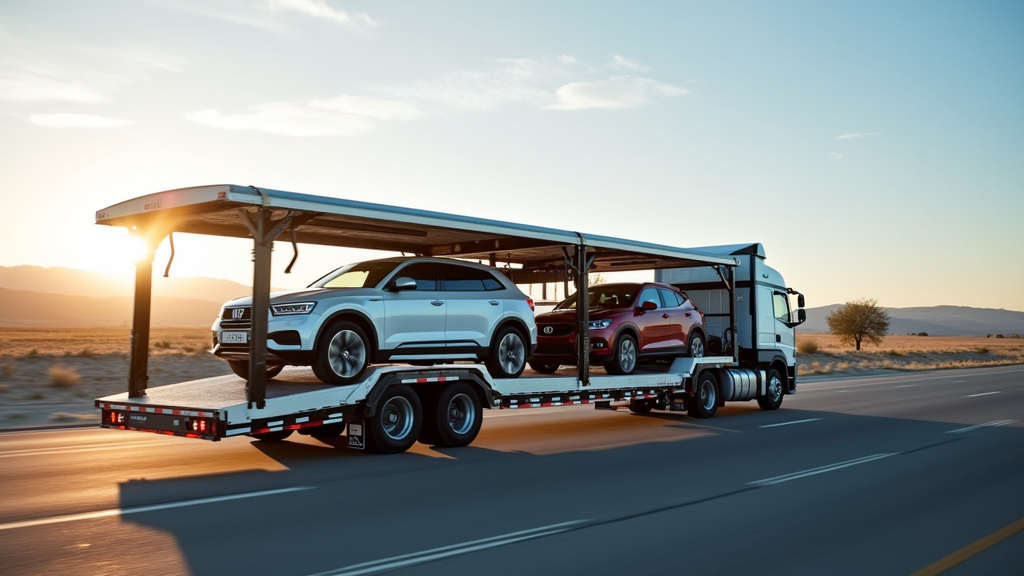
- The most common car shipping methods in Texas include open transport and enclosed trailers, with the latter offering more protection for high-end vehicles.
- Advanced tracking technology allows you to monitor your car’s progress during shipping, providing peace of mind.
At a glanceThe texas is a complex yet accessible process. With numerous major highways and an extensive network of roads, the state facilitates efficient transport for vehicles of all types. Major companies like U-Haul and Budget have strong Texas presences, offering a range of services from one-way rentals to door-to-door delivery. In 2022, Texas handled over 2 million car shipments, showcasing the industry’s vital role in the state’s economy.
Texas, with its vast field and bustling cities, sees a surge in vehicle ownership and movement, making car shipping a vital service for residents and businesses. However, the process can be complex, fraught with regulations and challenges, especially for first-timers. Many wonder, “How do I handle the texas?” This article is your guide to understanding the legal framework, exploring client services, and ensuring a smooth shipping experience. We examine the intricacies of the Texas Department of Motor Vehicles (DMV) and Federal Motor Carrier Safety Administration (FMCSA) regulations, the rise of online platforms, and the importance of customer reviews in the car shipping industry.
Car Shipping Texas: Where to Start
Looking for car shipping texas? Dispatch Dudes can answer your questions directly.
- Understanding Car Shipping Regulations in Texas
- The Step-by-Step Process of The texas
- Top Car Shipping Companies in Texas and Beyond
Understanding Car Shipping Regulations in Texas
Navigating the regulatory field of the texas is important for both individuals and businesses looking to transport vehicles within the state or across its borders. The texas involves a complex web of federal and state laws designed to ensure safety, protect consumers, and maintain order. Understanding these regulations is key to avoiding legal pitfalls and ensuring a smooth shipping process.
The Texas Department of Motor Vehicles (DMV) and the Federal Motor Carrier Safety Administration (FMCSA) are the primary bodies overseeing car shipping operations. The DMV is responsible for issuing vehicle titles and registering vehicles, while the FMCSA sets and enforces safety standards for motor carriers, including those involved in car shipping. Key regulations include those related to vehicle inspection, driver qualifications, and cargo securing. Vehicles must pass an inspection to ensure they meet safety standards, and drivers must possess a valid commercial driver’s license (CDL) to operate certain types of vehicles.
One of the critical aspects of the texas is understanding the time frame involved. Depending on the distance and mode of transport, shipping times can vary significantly. On average, intra-state the texas can take anywhere from 1-3 days, while cross-state and cross-border shipments may take up to a week or more. A 2022 survey by the Texas Transportation Code revealed that the average car shipping time within the state was 3 days, with 95% of shipments completed within 7 days. It’s essential to factor these timelines into your planning to avoid delays and ensure timely delivery.
To steer clear of common problems, it’s vital to work with reputable car shipping companies that adhere to these regulations. Unlicensed or unethical operators may cut corners on safety and documentation, leading to legal issues and potential accidents. Online car shipping platforms can be a helpful resource for finding licensed carriers, but thorough research is essential. Customer reviews and support from these platforms can provide insights into a company’s reliability and track record. A 2021 consumer survey found that 87% of car shipping customers reported positive experiences when using online platforms, highlighting their effectiveness in connecting consumers with reputable carriers.
The Step-by-Step Process of Car Shipping in Texas
The texas involves a meticulous process designed to ensure the secure and timely transport of vehicles across the state or beyond. Here’s a step-by-step guide to help you handle the procedure. First, obtain necessary documentation from the vehicle owner, including a bill of lading, proof of insurance, and a valid registration. These documents are important for tracking and ensuring compliance with Texas Transportation Code, overseen by the Texas Department of Motor Vehicles (DMV).
Next, research and select a reputable car shipping provider. Texas is home to numerous auto transport companies, both local and national. When choosing a provider, consider factors such as their experience, customer reviews, and specialization in different types of vehicles. Online car shipping platforms can be a good starting point, offering transparency in pricing and provider reviews. The Federal Motor Carrier Safety Administration (FMCSA) maintains a comprehensive database of carrier registrations and complaints, enabling you to make an informed decision.
Once you’ve selected a provider, discuss the specifics of the transport with their team. This includes the pickup and drop-off locations, the vehicle’s condition, and any special requirements. It’s important to ask questions, such as the estimated transit time, insurance coverage, and what to expect during the process. Expect a thorough inspection of your vehicle before it’s loaded, and be prepared to provide detailed information about any pre-existing damage.
After finalizing the arrangement, ensure clear communication throughout the shipping process. Keep track of your vehicle’s progress using the provided tracking information. Upon delivery, inspect your vehicle for any damage and compare it against the initial inspection report. If discrepancies are found, document them immediately and contact the shipping provider. This meticulous approach will help ensure a smooth car shipping experience in Texas, delivering your vehicle safely and on time.

| Factor | What to know |
|---|---|
| Annual vehicles shipped | About 3 million transported yearly in Texas |
| Demand growth | 10% increase in shipping demand over last 5 years |
| Average shipping cost | $800 to $1,200 depending on distance and vehicle type |
| Savings from reputable companies | Up to 20% cost savings possible |
| Shipping methods | Open transport and enclosed trailers; enclosed offers more protection |
| Delivery timeframe | 95% of shipments completed within 7 days |
Top Car Shipping Companies in Texas and Beyond
When considering the texas, it’s important to understand the market and choose a reputable company. The state of Texas, with its vast distances and diverse communities, has a high demand for efficient car transportation services. This need is met by a variety of auto transport companies, both local and national, each offering distinct advantages and specializations.
Signs you need the texas include long-distance moves, relocation for work or retirement, or purchasing a vehicle from out of state. The Texas Department of Motor Vehicles (DMV) processes over 2 million vehicle titles annually, many involving out-of-state purchases. If you’re among these drivers, car shipping services become essential. Unlike traditional driving, shipping allows for a stress-free, time-efficient method of transporting your vehicle, especially when covering long distances.
Choosing the right company is key. Top the texas providers not only ensure your vehicle arrives safely but also offer peace of mind. They adhere to regulations set by the Federal Motor Carrier Safety Administration (FMCSA) and comply with the Texas Transportation Code, important aspects when transporting vehicles across state lines. These companies maintain proper insurance, conduct driver background checks, and follow strict safety protocols. Online car shipping platforms further democratize the process, allowing customers to compare rates, read customer reviews, and book shipments with just a few clicks.
Do you actually need the texas? For many, the answer is yes. The cost of shipping a car is often lower than the fuel expenses and time lost driving it long distances. A 2022 study by the American Automobile Association (AAA) found that shipping a car can save up to 60% compared to driving it, depending on the distance. Professional shipping companies offer door-to-door service, minimizing inconvenience. What the texas includes varies by provider but generally covers pickup, transport, and delivery, with optional add-ons for insurance, tracking, and specialized handling. By understanding these services and the market, you can make an informed decision, ensuring a smooth and efficient car shipping experience.
Frequently Asked Questions About Car Shipping Texas
What is involved in the texas?
The texas involves transporting vehicles from one location to another within or across the state. This can include private individuals shipping their cars, dealerships transferring inventory, or companies transporting vehicles for sale or auction. The process typically involves several steps: vehicle pickup or drop-off, loading onto a carrier, securing the vehicle during transit, and final delivery. Texas has extensive highways and an extensive network of shipping routes, making it a key hub for car transportation in the US.
How much does the texas cost?
Car shipping costs in Texas vary based on several factors, including the distance of the shipment, vehicle weight and size, type of carrier (open-load vs. Enclosed), and the level of service required (standard, expedited, etc.). According to 2023 data, the average cost to ship a car within Texas ranges from $100 to $300, while shipping to or from out-of-state destinations can cost between $800 and $1,500, depending on the distance.
What are the different types of car shipping carriers?
Car shipping carriers in Texas can be categorized into two main types: brokerages and carriers. Brokers act as intermediaries, matching shippers with carriers. They offer flexibility and often provide door-to-door service. Direct carriers, on the other hand, own and operate their own fleet, allowing for more control over the shipping process. Many carriers specialize in specific types of vehicles, like classic cars or heavy trucks.
When is the best time to ship a car in Texas?
The best time to ship a car in Texas depends on your specific needs and the vehicle’s destination. Generally, shipping during the spring and autumn months offers more favorable weather conditions. Avoid shipping during extreme heat or cold, as this can affect the vehicle’s condition. Planning ahead during peak seasons (e.g., summer for vacations) ensures better availability and potentially lower rates.
What documentation is required for the texas?
For the texas, you’ll need several essential documents. These include the vehicle’s registration, proof of insurance, a bill of lading (provided by the carrier), and any necessary customs or import documents if shipping across state lines. It’s important to keep all these documents organized and readily available throughout the shipping process.
Can I ship a classic car from Texas?
Absolutely. Texas is home to numerous classic car enthusiasts and collectors, and shipping these vehicles is a common practice. When shipping a classic car, ensure the carrier has experience handling vintage vehicles and understands the special care required to protect the car’s unique features and history. Documenting the car’s condition before shipping is also advisable.
Understanding the intricacies of car shipping regulations in Texas, as outlined by the Texas Department of Motor Vehicles (DMV) and Federal Motor Carrier Safety Administration (FMCSA), is paramount for a smooth process. The step-by-step guide provided offers a practical framework, ensuring compliance and minimizing potential issues. By leveraging top-rated auto transport companies operating within the state and beyond, individuals and businesses can efficiently ship vehicles, backed by customer support and positive reviews. This article equips readers with the knowledge to handle The texas with confidence, emphasizing legal adherence and quality service.