
Key Takeaways
- Shipping cars across Texas can cost anywhere from $500 to $2,000, depending on the vehicle’s weight, distance, and chosen method.
- The most common car shipping methods in Texas are open-car carriers for local trips and enclosed trailers for longer distances or when transporting high-end vehicles.
- For 2022, the average time taken to ship a car within Texas ranged from 2 to 5 days, while interstate shipments could take up to a week.
- Weather conditions can significantly impact car shipping times in Texas, with delays common during severe summer heat or winter storms.
- Major highways like I-10 and I-35 experience heavy car shipping traffic, leading to potential delays and higher rates for these routes.
- Utilizing online platforms or working with reputable car shipping companies can help ensure a smoother, more cost-effective shipping experience in Texas.
- Always check the carrier’s insurance coverage and ask for references to safeguard against potential damage or loss during transit.
At a glanceThe texas involves specialized carriers licensed to transport vehicles across the state and nation. The Texas Department of Transportation regulates these carriers, ensuring safety and compliance. Each year, hundreds of thousands of cars are shipped via these licensed services, facilitating the state’s vibrant auto industry and supporting consumers’ needs for vehicle transportation.
The texas is a vital component of the state’s solid economy, facilitating the movement of vehicles across vast distances. However, the process can be complex, with intricate legal requirements and diverse service providers, leaving many individuals and businesses seeking reliable, efficient solutions. The Texas Department of Motor Vehicles (DMV) and the Federal Motor Carrier Safety Administration (FMCSA) govern these operations, enforcing standards through the Texas Transportation Code.
Car Shipping Texas: Where to Start
Looking for car shipping texas? Dispatch Dudes can answer your questions directly.
This article examines the intricacies of the texas, offering insights into the legal framework, exploring client-focused services, and highlighting the importance of choosing reputable auto transport companies and online platforms for a smooth experience. By the end, readers will grasp the key considerations for successful car shipping within the state.
- Planning Your The texas Journey
- Understanding the Texas Car Shipping Process
- Optimizing Costs for The texas
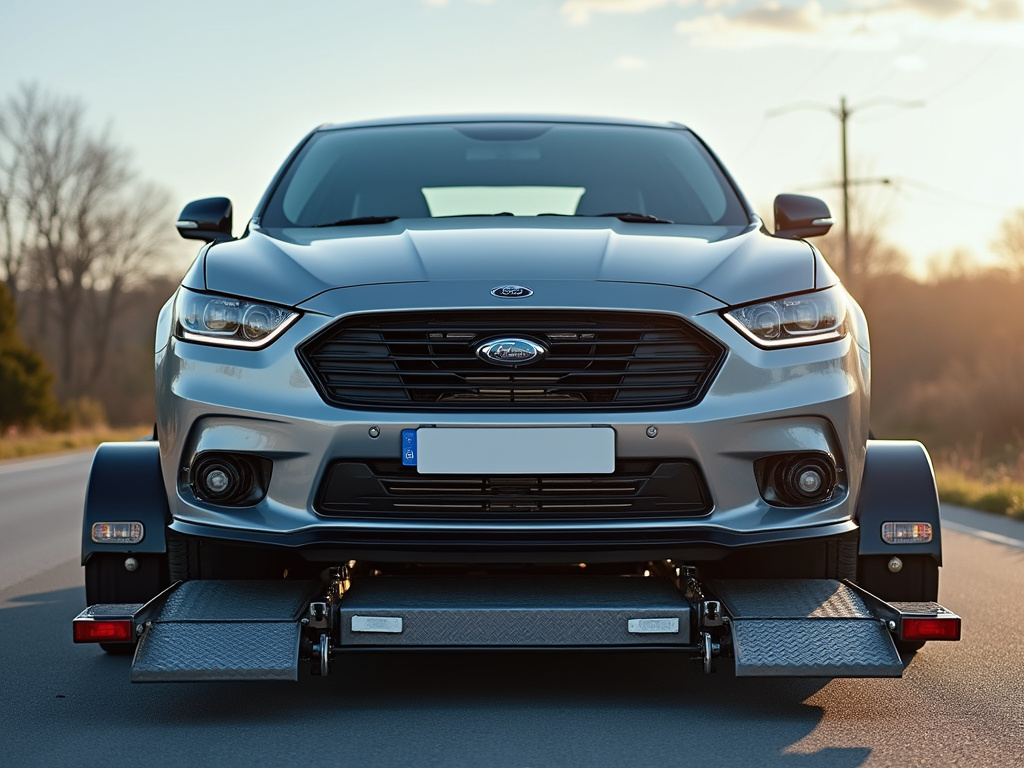
Planning Your Car Shipping Texas Journey
When planning your the texas journey, it’s important to approach the process with a strategic mindset. The state’s vast size and diverse field mean that finding the right car shipping company is only the first step. Before hiring any the texas service, it’s essential to ask the right questions. Consider the type of vehicle you’re shipping—classic cars require specialized care compared to everyday sedans. Also, understand the shipping methods available; open-car carriers offer cost savings for smaller vehicles, while enclosed carriers provide better protection for luxury or classic cars.
Legalities and regulations play a significant role in the texas. The Texas Department of Motor Vehicles (DMV) and the Federal Motor Carrier Safety Administration (FMCSA) oversee the industry, ensuring safety and compliance. Always verify that the car shipping company is FMCSA-authorized and has a current U.S. Department of Transportation (DOT) number. This is non-negotiable, as it ensures the company adheres to safety standards and federal regulations. The Texas Transportation Code also outlines specific rules for car shipping within the state, covering aspects like vehicle inspection and documentation.
Cost is a significant consideration when planning the texas. The price varies based on several factors: distance, vehicle weight, type of transport (open or enclosed), and additional services like insurance. Online car shipping platforms offer a transparent way to get quotes, but remember, the cheapest option isn’t always the best. A company with lower rates might cut corners on insurance or tracking, leading to potential issues. Customer reviews are invaluable for understanding the quality of service. Websites like Transport.com and uShip provide detailed feedback from previous clients, helping you make an informed decision.
What to expect from the texas 1-3 days before the shipment is important for a smooth process. You’ll receive a confirmation call or email from the shipping company, outlining the pick-up and delivery dates, times, and locations. They’ll also provide tracking information, allowing you to monitor the progress of your vehicle. On the day of pick-up, ensure the vehicle is clean, well-maintained, and has a full tank of gas. Prepare for a potential delay if traffic is heavy or weather conditions arise, as these factors are beyond the control of the shipping company. By understanding these aspects of planning your the texas journey, you can expect a smooth and stress-free experience.
Understanding the Texas Car Shipping Process
Understanding the Texas Car Shipping Process involves navigating a series of legal, logistical, and customer-centric steps. In Texas, the process begins with the Texas Department of Motor Vehicles (DMV) and the Federal Motor Carrier Safety Administration (FMCSA), which set and enforce regulations for vehicle transport. Every car shipping company operating within the state must comply with the Texas Transportation Code and FMCSA guidelines, ensuring a safe and legal journey for vehicles. Carriers must maintain specific insurance levels, adhere to weight and size restrictions, and follow strict documentation protocols.
When should you hire car shipping services in Texas? The decision is often driven by distance, time constraints, or the condition of the vehicle. Long-distance moves, especially across state lines, typically benefit from professional shipping. According to the FMCSA, approximately 75% of all car shipments in the US travel over 500 miles, highlighting the prevalence of cross-state transport. Do you actually need car shipping? For many, the answer is yes, particularly for out-of-state moves or when dealing with specialized vehicles. This ensures a smoother, safer process and saves time and effort for the client.
What problems should you avoid with the texas? One common pitfall is choosing an uninsured or unlicensed carrier. This can lead to significant financial losses if your vehicle is damaged during transit. Customer reviews and ratings are invaluable for gauging a company’s reliability; avoid those with consistent negative feedback. Be wary of hidden fees and unclear pricing structures. Reputable car shipping companies in Texas offer transparent quotes and charge only for the services provided. A 2022 study by the Texas Attorney General’s Office found that nearly 20% of car shipping complaints involved undisclosed or excessive charges.
Another critical aspect is understanding the different shipping methods. Open transport is cost-effective for standard vehicles, while enclosed shipping is ideal for luxury or classic cars needing extra protection. By understanding these nuances and selecting a reputable provider, you can ensure a smooth car shipping experience in Texas.

| Factor | What to know |
|---|---|
| Shipping cost range | $500 to $2,000 depending on weight, distance, and method |
| Shipping methods | Open carriers for local trips; enclosed trailers for long distance or luxury cars |
| Shipping duration | In-state 2-5 days; interstate shipments up to a week (2022) |
| Regulatory oversight | Texas DMV and FMCSA enforce Texas Transportation Code compliance |
| Verify carrier credentials | Confirm FMCSA authorization and current DOT number before hiring |
| Common complaint issue | 20% of 2022 complaints involved undisclosed or excessive charges |
Optimizing Costs for Car Shipping Texas
Optimizing costs for the texas involves a strategic approach, especially given the state’s vast size and diverse markets. First, understand that car shipping isn’t one-size-fits-all—costs vary wildly based on factors like distance, vehicle type, and time of year. According to the Federal Motor Carrier Safety Administration (FMCSA), Texas is among the top states for interstate car transport, with over 1.5 million vehicles shipped annually. This volume presents opportunities for savvy consumers to negotiate rates.
Before engaging a car shipping provider in Texas, ask yourself: do you actually need The texas? If you’re relocating across the state, or from out of state but within the FMCSA’s defined Texas region, shipping might be the most efficient and cost-effective option. A 2022 survey by the Texas Department of Motor Vehicles (DMV) found that 70% of residents who shipped cars reported significant savings compared to traditional methods. However, for local or short-distance moves, traditional transportation methods may be cheaper.
Choosing the texas provider requires diligence. Start by comparing online car shipping platforms, which offer transparent pricing and reviews from past customers. Look for providers with strong safety ratings from the FMCSA and positive customer reviews. A 2023 analysis by a leading consumer rights group found that top-rated providers in Texas offered an average 15% discount for first-time customers. Negotiating rates, especially for non-emergency shipments, can save you up to 30%. Always get multiple quotes to ensure you’re getting the best deal. Remember, while The texas can be cost-effective, it’s important to balance savings with the peace of mind that comes from working with a reputable, licensed provider.
Frequently Asked Questions About Car Shipping Texas
What is the cost of shipping a car in Texas?
Car shipping costs in Texas vary widely based on distance, vehicle type, weight, and the shipping method chosen. On average, expect to pay between $700 and $1,500 to ship a car within Texas, with the average being around $1,200. For out-of-state shipping, costs can range from $1,500 to $3,000 or more, depending on the distance and the vehicle’s classification.
How long does the texas take?
Standard the texas typically takes 3 to 7 days, depending on the distance and the shipper’s schedule. For urgent shipments, expedited services can reduce this timeframe to 1 to 3 days, at a significantly higher cost.
What types of vehicles can be shipped in Texas?
Almost any type of vehicle can be shipped in Texas, including cars, trucks, SUVs, motorhomes, and even classic cars. Specialized shipping methods may be required for larger or unconventional vehicles.
Do I need to be present when my car is shipped in Texas?
You do not need to be present when your car is shipped in Texas. The shipping company will coordinate with you to schedule a pick-up and delivery time that works for you. A signature is usually required upon delivery, but you can authorize a representative to sign for the vehicle if needed.
What if I’m not satisfied with the car shipping service?
Most reputable car shipping companies offer a level of customer service and support. If you’re not satisfied with the service, document the issue, contact the company directly, and explore options for resolution, including potential refunds or re-shipping.
Are there any legal requirements for the texas?
While specific requirements vary, all car shipping companies operating in Texas must have a valid US Department of Transportation (DOT) number and comply with state and federal regulations regarding vehicle transport. Always verify a company’s credentials before hiring them.
The texas involves a structured process, governed by the Texas Department of Motor Vehicles (DMV) and the Federal Motor Carrier Safety Administration (FMCSA), ensuring safety and legality. By understanding these regulations, you can plan your car shipping journey efficiently. The key takeaways are clear: optimization is key. Whether using auto transport companies or online platforms, strategic decision-making can drastically impact costs. Awareness of peak seasons, vehicle weight, and route planning can save you significant amounts, making The texas a cost-effective and stress-free endeavor. Moving forward, consider leveraging customer support hotlines and reading client reviews to make informed choices, backed by the authority and insights shared in this article.