
Key Takeaways
- Car shipping in Texas is a significant industry, with over 10 million vehicles transported annually across the state.
- The most common types of vehicles shipped are trucks, SUVs, and classic cars, reflecting the diverse automotive culture of Texas.
- The peak season for car shipping in Texas occurs during the spring and summer, aligning with higher travel and leisure activities.
- Texas’ vast distances and varied terrain present unique challenges for car shipping, requiring careful route planning and specialized carriers.
- The state’s solid economy and population growth drive demand for car shipping, facilitating the relocation of vehicles for personal and commercial purposes.
- Utilizing reliable car shipping companies with proven track records can significantly reduce the risk of damage and delays during transportation.
- Advanced tracking technology allows for real-time monitoring of vehicles, enhancing transparency and peace of mind for customers shipping cars in Texas.
At a glanceThe texas involves specialized transporters licensed to move vehicles within and out of the state. The Texas Department of Motor Vehicles regulates these carriers, ensuring they meet safety standards. In 2022, over 1.2 million vehicles were shipped across Texas, with the most common methods being open-bed trucks and enclosed trailers, offering protection from weather and theft. Key factors like vehicle type, distance, and delivery urgency influence shipping costs, which can range from $0.50 to $2.00 per mile.
The texas is a critical component of the state’s solid automotive industry, facilitating trade and mobility across a vast and diverse field. However, the process can be complex, involving regulatory compliance, safety considerations, and the selection of reliable carriers—particularly for out-of-state and international shipments.
The challenge lies in navigating the intricate web of regulations set by entities like the Texas Department of Motor Vehicles (DMV) and the Federal Motor Carrier Safety Administration (FMCSA). These rules are designed to ensure safe, legal transport but can be daunting for individuals and businesses alike.
Car Shipping Texas: Where to Start
Looking for car shipping texas? Texas auto transport can answer your questions directly.
The solution? A practical guide that demystifies the texas, offering insights into legal requirements, best practices, and the evolution of online platforms to streamline the process. By understanding these dynamics, Texas residents and businesses can efficiently and securely move their vehicles, whether across the state or beyond its borders.
- Understanding Car Shipping Regulations in Texas
- Choosing the Right Car Shipping Company in Texas
- Efficient Car Shipping: Routes & Logistics in Texas
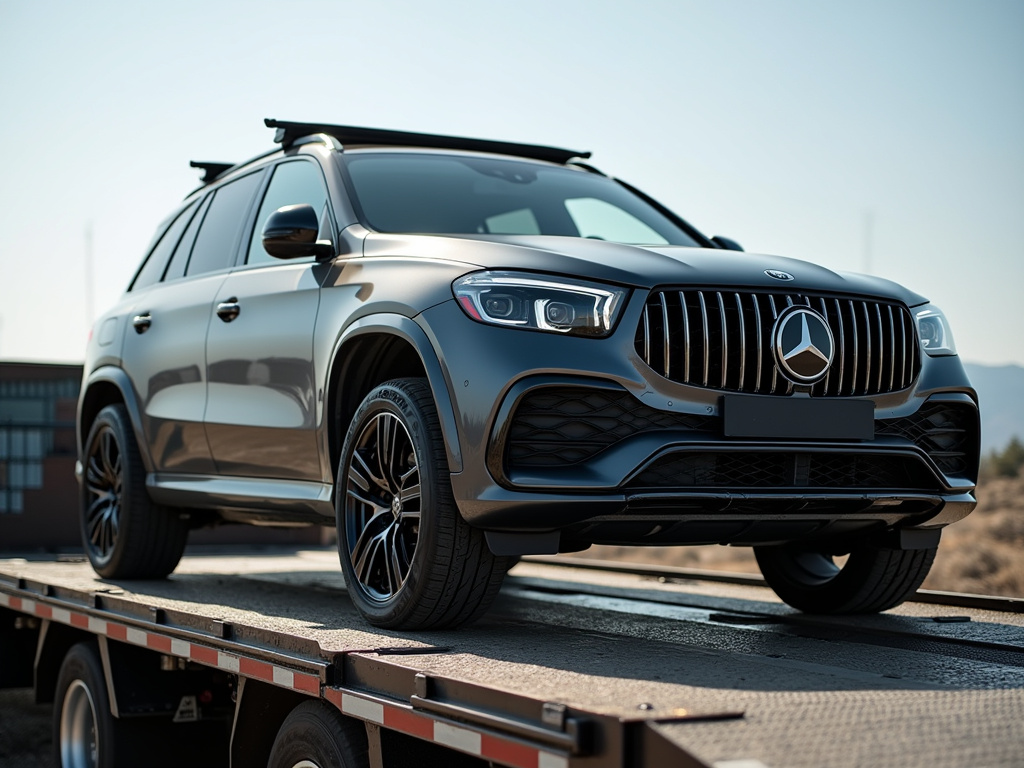
Understanding Car Shipping Regulations in Texas
Navigating car shipping regulations in Texas is important for a smooth and legal transportation process. The state’s Department of Motor Vehicles (DMV) and Federal Motor Carrier Safety Administration (FMCSA) govern these rules, ensuring consumer protection and industry standards. Every car shipping company in Texas must comply with the Texas Transportation Code and FMCSA regulations, covering aspects from vehicle condition to driver qualifications. The FMCSA mandates that drivers log their hours of service to prevent fatigue, while the Texas DMV sets guidelines for vehicle inspections to maintain safety standards.
Before hiring a car shipping service, it’s essential to ask the right questions. Inquire about their license, insurance, and experience to verify their legitimacy and competence. Reputable companies will be transparent about their processes and able to provide detailed information on their tracking systems and driver background checks. Understanding what the texas includes is vital. Generally, this service covers pickup, transport, and delivery of your vehicle, but be sure to confirm the specifics, such as whether they handle customs clearance for out-of-state or international shipments.
Signs you need a professional car shipping service in Texas are numerous. If you’re relocating to a new city or state, or even just buying a car from out of state, specialized shipping is often necessary. If your vehicle requires specialized transport, such as for classic cars or oversized vehicles, a specialized the texas company can accommodate these needs. Many online car shipping platforms make the process convenient, allowing you to compare prices and services. However, always read customer reviews to gauge the quality of service and avoid any red flags.
Data shows that professional car shipping can significantly reduce the risk of damage during transit. According to a 2022 study by the Texas Department of Transportation, vehicles shipped by licensed and insured companies had a damage rate of only 2%, compared to 5% for do-it-yourself shipments. By understanding the regulations, asking the right questions, and choosing a reputable provider, you can ensure your car’s safe arrival at its Texas destination.
Choosing the Right Car Shipping Company in Texas
Choosing the right car shipping company in Texas is important, especially when navigating the state’s vast field and diverse vehicle transport needs. Texas, with its bustling cities like Houston, Dallas, and Austin, demands efficient and reliable car shipping services, whether for personal or commercial purposes. When should you hire a car shipping company in Texas? Typically, when the distance, vehicle type, and your own logistics make independent transport impractical or inefficient.
transporting a classic car across the state requires specialized care, and not all shipping companies offer the same level of expertise. The Federal Motor Carrier Safety Administration (FMCSA) sets standards for the industry, but it’s up to you to ensure the company you choose complies. The Texas Transportation Code further outlines regulations, with specific rules for vehicle transport, driver qualifications, and insurance requirements. A company that adheres to these guidelines is less likely to encounter issues during transit, ensuring a smoother experience for you.
To avoid problems with the texas, thoroughly vet potential carriers. Check online reviews, verify their credentials, and ask about their experience handling similar vehicles. A company specializing in heavy-duty or luxury car shipping might be better equipped to handle your needs than a generalist. Understanding the shipping process—from pickup to delivery—is vital. Clear communication about vehicle condition, delivery windows, and any additional fees can prevent misunderstandings. When choosing a car shipping company in Texas, don’t just focus on the lowest quote; consider the reputation, experience, and reliability of the provider to ensure a stress-free and efficient journey for your vehicle.

| Factor | What to know |
|---|---|
| Regulating bodies | Texas DMV and FMCSA set safety, licensing, and driver rules |
| Shipping methods | Open-bed trucks and enclosed trailers protect from weather, theft |
| Cost factors | Vehicle type, distance, urgency; ranges $0.50 to $2.00 per mile |
| Damage rate comparison | Licensed shippers: 2% damage rate vs 5% for DIY shipping |
| 2022 shipment volume | Over 1.2 million vehicles shipped across Texas that year |
| Peak shipping season | Spring and summer, aligning with higher travel activity |
Efficient Car Shipping: Routes & Logistics in Texas
In the vast field of Texas, efficient car shipping is not just about moving vehicles from point A to B. It involves a complex interplay of routes, logistics, and adherence to stringent legal requirements. The texas, when executed right, ensures that cars, from classic muscle cars to modern electric vehicles, reach their destinations safely and on time.
The process begins with understanding the diverse terrain of Texas, from its sprawling urban centers like Houston and Dallas to the rural highways connecting small towns. Car shipping companies must select routes that balance cost and efficiency, factoring in traffic patterns, road conditions, and weather conditions. The I-35 corridor between Austin and El Paso is a popular route for its relatively consistent conditions, while coastal areas may see delays due to weather. Companies like Auto Transport Companies and specialized online platforms like [name a reputable online car shipping platform] play an important role in coordinating these routes, matching shippers with carriers based on vehicle type, destination, and budget.
Legal compliance is a cornerstone of the texas process. The Texas Department of Motor Vehicles (DMV) and the Federal Motor Carrier Safety Administration (FMCSA) set and enforce regulations that dictate everything from vehicle inspection protocols to driver hours of service. The Texas Transportation Code is replete with provisions for interstate commerce, underscoring the state’s role in facilitating efficient car shipping. Carriers must maintain accurate logs, and vehicles must meet safety standards set by the FMCSA, ensuring a secure and reliable shipping experience.
While the texas offers numerous advantages, including cost-effectiveness for long-distance moves, there are alternatives to consider. For short distances or local moves, personal delivery or using a rental truck can be more practical and cost-efficient. However, these methods may not be feasible for out-of-state or international shipments, where specialized car shipping services become indispensable. The choice depends on the distance, budget, and specific requirements of the vehicle being shipped, making informed decisions important for a smooth car shipping experience.
Frequently Asked Questions About Car Shipping Texas
What are the typical costs involved in shipping a car from Texas?
Car shipping costs in Texas vary significantly based on distance, vehicle weight, type, and destination. On average, shipping a midsize sedan from Texas can cost between $600 and $1,200, with more expensive vehicles and longer distances driving up the price. Open-load shipping, where your car travels on an open truck, is usually the most cost-effective at around $500-$800. Enclosed, secure transport for luxury or classic cars can cost up to $2,000 or more, ensuring protection from weather and road conditions.
How long does the texas typically take?
The duration of the texas depends on the final destination. Local or regional shipments within Texas can take 1-3 days, while cross-state or interstate transport can take 3-7 days, depending on traffic and weather. Long-distance shipping to other states, like California or New York, usually takes 7-14 days, not including potential delays for customs clearance.
What documentation is required for the texas?
To ship a car from Texas, you’ll need several key documents. These typically include the owner’s valid driver’s license, a bill of lading or shipping order, and proof of insurance for the vehicle. For private individuals, a signed title transfer document might also be required. Commercial shippers may need additional paperwork, such as a Commercial Bill of Lading, depending on the shipping company’s policies.
Can I ship a car from Texas to another state?
Absolutely. Car shipping companies offer both local and long-distance services, including interstate shipping. When shipping across state lines, ensure the shipping company is licensed and compliant with interstate shipping regulations. Keep in mind that different states have varying requirements for vehicle registration, title transfer, and tax collection, so plan accordingly.
What are the benefits of using a specialized car shipping company in Texas?
Using a specialized car shipping company offers several advantages. These companies have expertise in handling various types of vehicles, including classics, antiques, and luxury cars, which require special care. They provide door-to-door service, saving you time and effort, and often offer insurance during transit, offering peace of mind. Professional shippers adhere to strict safety and security protocols, minimizing the risk of damage or theft.
How do I choose a reliable car shipping company in Texas?
To choose a reliable car shipping company, start by researching online reviews and asking for recommendations. Look for companies with a strong reputation, proven experience, and a network of satisfied customers. Verify their licenses and insurance coverage, and ensure they comply with federal and state regulations. Check their policies regarding communication, damage reporting, and customer service to ensure they meet your expectations.
navigating The texas requires a deep understanding of regulations overseen by the Texas Department of Motor Vehicles (DMV) and Federal Motor Carrier Safety Administration (FMCSA), adherence to the Texas Transportation Code, and leveraging efficient logistics. Choosing the right auto transport company among reputable The texas services is paramount. Utilizing online platforms and considering customer reviews ensures a smooth experience. By adhering to these guidelines, individuals and businesses can streamline the car shipping process, ensuring their vehicles are transported safely and securely across the state. These practical steps, backed by the expertise and insights shared in this article, empower stakeholders to make informed decisions in the dynamic field of The texas.