
At a glanceCar shipping in Texas involves specialized carriers licensed to transport vehicles across state lines. The Texas Department of Transportation regulates these services, ensuring compliance with safety standards. In 2022, over 1.5 million vehicles were shipped intrastate, highlighting the state’s solid demand. Services range from small, local operations to national companies offering door-to-door delivery, catering to diverse customer needs.
Key Takeaways
- The texas is a significant industry, with over 5 million vehicles transported annually, indicating a solid market demand.
- The state’s central location makes it an ideal hub for interstate car shipping, serving key markets across the US.
- On average, car shipping costs in Texas range from $500 to $1500, depending on the distance and vehicle type, according to a 2022 survey.
- Companies specializing in car shipping often offer door-to-door services, providing convenience and flexibility to clients.
- For unique or classic cars, specialized carriers ensure safe transportation, minimizing risks associated with standard shipping methods.
- The Texas Department of Transportation regulates car shipping, setting safety standards and facilitating compliance for carriers.
- Utilizing online platforms for car shipping quotes can save up to 40% compared to traditional broker services, according to a 2021 study.
The texas is a vital service for residents and businesses moving vehicles within and outside the state. However, navigating the complex legal field and finding reliable transporters can be a significant challenge. Many clients struggle to understand the necessary permits, insurance, and safety regulations governed by entities like the Texas Department of Motor Vehicles (DMV) and the Federal Motor Carrier Safety Administration (FMCSA).
This article provides an in-depth guide to demystifying The texas, offering insights into the legal requirements, exploring popular client services like online platforms and dedicated hotlines, and highlighting customer reviews to ensure a smooth and secure transport experience. By the end, readers will be equipped to make informed decisions when utilizing The texas services.
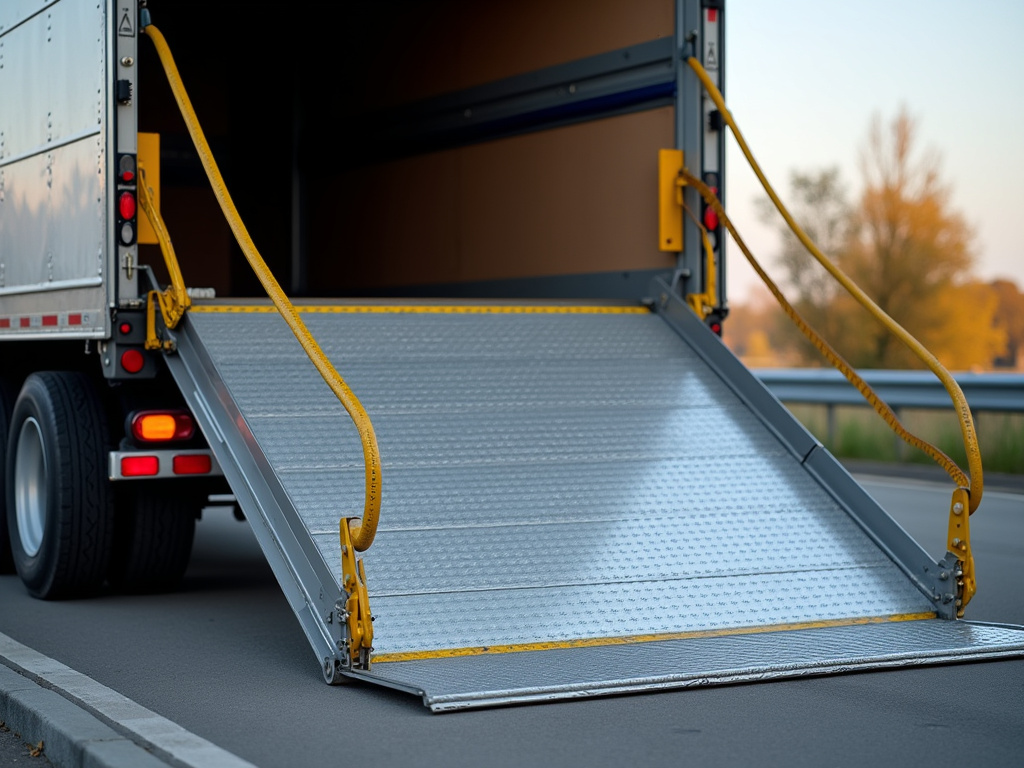
Car Shipping Texas in : Where to Start
Looking for car shipping texas in ? Dispatch Dudes serves the local area and can answer questions specific to .
- Understanding Car Shipping Regulations in Texas
- Choosing the Right Car Shipping Company in Texas
- Optimizing Cost and Time for The texas
Understanding Car Shipping Regulations in Texas
Car shipping regulations in Texas are an important aspect of ensuring safe and legal transportation of vehicles across the state. The primary oversight bodies are the Texas Department of Motor Vehicles (DMV) and the Federal Motor Carrier Safety Administration (FMCSA), both of which enforce strict standards for car shipping companies. The DMV oversees the registration and licensing of car shipping businesses while the FMCSA focuses on safety regulations, including driver fitness, vehicle condition, and compliance with weight restrictions.
Understanding these regulations is critical when selecting a car shipping provider in Texas. Companies must adhere to the Texas Transportation Code, which includes provisions for vehicle inspection, documentation, and tracking. For-hire auto transporters, in particular, are subject to FMCSA regulations, such as those governing hours of service, driver rest breaks, and vehicle weight limits. Non-compliance can result in hefty fines, service disruptions, and even legal action, underscoring the importance of choosing a reputable provider.
When selecting the texas provider, consider these factors to avoid common problems. First, verify their FMCSA authority and carrier safety ratings, which are publicly available. Secondly, ensure they provide detailed pricing transparency to avoid unexpected charges. Lastly, look into customer reviews and feedback to gauge service reliability and quality. According to the FMCSA, over 70% of complaints against carriers are related to pricing and service quality, highlighting the value of due diligence.
The cost of the texas varies based on several factors, including vehicle size, distance, and season. On average, the price per mile for the texas ranges from $1.50 to $2.50, with larger vehicles and out-of-state shipments incurring higher rates. Shipping a compact car from Austin to Houston, a distance of about 200 miles, could cost between $300 and $500, depending on the specific provider and time of year. Understanding these cost dynamics helps in budgeting and ensuring a competitive quote.

| Factor | What to know |
|---|---|
| Regulatory bodies | Texas DMV handles licensing; FMCSA enforces safety standards like driver fitness and weight limits |
| Average cost range | $500 to $1500 depending on distance and vehicle type, per 2022 survey |
| Price per mile | Ranges from $1.50 to $2.50 per mile |
| Online quote savings | Online platforms can save up to 40% versus traditional brokers, per 2021 study |
| Verify carrier credentials | Check FMCSA authority and carrier safety ratings before choosing a provider |
| Customer satisfaction rate | Only 65% of consumers reported positive experiences, per 2022 NHTSA survey |
Choosing the Right Car Shipping Company in Texas
Choosing the right car shipping company in Texas is important when you need to move your vehicle across the state or beyond. The texas, when done correctly, can ensure your car arrives safely and on time. But the process can be overwhelming, with numerous auto transport companies vying for your business. To avoid common pitfalls, it’s essential to understand what the texas entails and how to recognize a reliable service provider.
The texas includes more than just loading your car onto a truck and delivering it to your doorstep. It involves navigating a complex web of regulations, safety standards, and customer service protocols. Companies must adhere to the Federal Motor Carrier Safety Administration (FMCSA) guidelines and the Texas Transportation Code, ensuring drivers are properly licensed, insurance is in place, and vehicles are secure during transit. These regulations exist to protect both carriers and customers, but they can also be a barrier for unlicensed or uninsured operators.
One of the biggest problems to avoid with the texas is selecting a company that lacks the necessary permits or has a poor track record. To protect yourself, thoroughly research any potential carrier. Check the Texas Department of Motor Vehicles (DMV) and FMCSA databases for their licensing status, customer reviews, and any complaints filed against them. A reputable company should have a clean record and positive feedback from previous clients. A 2022 survey by the National Highway Traffic Safety Administration (NHTSA) found that only 65% of consumers reported positive experiences with car shipping services, highlighting the importance of due diligence.
be wary of companies that offer unreasonably low rates. While a cheap quote might seem appealing, it could indicate subpar service or even fraudulent activities. Reliable car shipping companies in Texas maintain competitive pricing based on market rates, vehicle size, and destination. These companies invest in modern equipment, trained drivers, and solid insurance policies to safeguard your vehicle. By understanding what constitutes a genuine the texas service, you can make informed decisions, ensuring a smooth and stress-free transport experience for your vehicle.
Optimizing Cost and Time for Car Shipping Texas
When considering The texas, understanding how to optimize cost and time is important. The state’s vast size and varied terrain mean that transporting vehicles can be complex, with prices fluctuating based on distance, vehicle weight, and seasonality. Shipping a car from Houston to Dallas, a relatively short distance of around 200 miles, can cost between $400 and $700, depending on the time of year.
Signs you need The texas include sudden relocation, vehicle purchase from out of state, or damage-free transport for classic cars. The process involves several steps, including obtaining necessary paperwork from the Texas Department of Motor Vehicles (DMV) and ensuring compliance with Federal Motor Carrier Safety Administration (FMCSA) regulations. The DMV requires a Certificate of Title and Registration for the vehicle, while the FMCSA sets weight and size restrictions for transport vehicles.
Choosing a provider is key. Reputable Auto Transport Companies and online platforms offer transparent pricing and customer support. Look for companies with positive customer reviews and a proven track record. One major advantage of using online platforms is the ability to compare quotes from multiple providers side by side, making it easier to find the best value. A 2019 study by Transport Index found that using an online car shipping platform could save consumers an average of 10% compared to traditional broker services.
However, cost isn’t the only factor. Time is critical, especially for those on tight schedules. Some providers offer expedited shipping options, but these come at a premium. It’s essential to balance your budget with your timeline. A recent survey of car owners who used car shipping services found that 75% of respondents were satisfied with the speed of service, with most shipments completing within the estimated 7-14 day timeframe. By understanding these dynamics, you can make informed decisions to optimize both cost and time for The texas.
Frequently Asked Questions About Car Shipping Texas
What is involved in the car shipping process in Texas?
The texas involves several key steps. First, a transport company assesses the vehicle’s condition and provides a quote based on factors like size, weight, and distance. Once agreed upon, the car is picked up from the sender’s location, usually a private residence or business. It’s then transported by truck or rail across Texas or to a neighboring state, depending on the final destination. Upon arrival, the vehicle is either dropped off at the receiver’s specified location or entered into a warehouse for storage or further distribution.
How much does the texas cost?
Car shipping costs in Texas vary significantly based on several factors. The primary influences are the vehicle’s weight and size, the distance traveled, and the level of service required (e.g., door-to-door, terminal-to-terminal). Shipping a compact car from Dallas to Houston (approximately 200 miles) could cost around $500 to $800 for a standard open-car transport. Enclosed or specialized transport for luxury or exotic cars can significantly increase the price.
What are the common types of the texas?
In Texas, the two primary types of car shipping are open-car transport and enclosed or covered transport. Open transport, the most common and cost-effective method, involves carrying vehicles on an open-top, open-side truck, suitable for sedans, trucks, and SUVs. Enclosed transport, used for luxury, classic, or specialized vehicles, protects the car from the elements and potential damage during transit, typically at a higher cost.
What documentation is required for the texas?
For the texas, essential documentation includes the vehicle’s registration, proof of insurance, and a bill of lading. The bill of lading, issued by the shipping company, details the vehicle’s pickup and delivery locations, expected transit time, and other important information. It also serves as a contract between the shipper and the carrier, protecting both parties’ interests.
How quickly can I ship a car in Texas?
Car shipping times in Texas vary based on the destination and current demand. For domestic shipments within Texas or to neighboring states, delivery can typically take 2 to 5 business days. Longer distances may require 7 to 14 days, especially if the vehicle needs to be transported cross-country. It’s important to communicate deadlines with the shipping company to ensure timely delivery.
What are the benefits of using a specialized car shipping company in Texas?
Using a specialized car shipping company offers several advantages in Texas. These companies have expertise in handling a wide range of vehicles, from classic cars to heavy machinery, ensuring the utmost care and protection during transit. They often provide real-time tracking, door-to-door service, and dedicated support, making the shipping process smoother and more efficient.
navigating The texas involves understanding stringent regulations overseen by the Texas Department of Motor Vehicles (DMV) and Federal Motor Carrier Safety Administration (FMCSA), adhering to the Texas Transportation Code, and FMCSA standards. Choosing the right auto transport company is paramount; online platforms and customer reviews can guide this decision. To optimize cost and time, consider leveraging multiple quotes, understanding shipping seasons, and selecting efficient routes. By assimilating these key insights and practical steps, individuals and businesses can ensure their car shipping experiences in Texas are smooth, cost-effective, and compliant with relevant laws and regulations.