
Key Takeaways
- Texas is the most active car shipping state in the US, handling over 12 million vehicles annually.
- The average cost of shipping a car from Texas ranges from $750-$1500, depending on distance and vehicle type.
- Choosing a reputable car shipping company can reduce risks, ensure timely delivery, and protect against damage.
- Intermodal shipping, combining land and sea transport, is popular for Texas-based companies exporting to international markets.
- Major ports like Houston and Galveston play an important role in facilitating car shipping globally, handling over 4 million vehicles yearly.
- Texas’ diverse terrain demands versatile shipping methods, including specialized carriers for off-road or oversized vehicles.
- Online platforms offer transparent pricing and real-time tracking for car shipping from Texas, enhancing convenience and control for clients.
At a glanceCar shipping in Texas is a solid industry, catering to the state’s vast population and diverse vehicle needs. With major cities like Houston and Dallas, plus the rural areas, there’s high demand for efficient, safe transportation. Companies specialize in everything from personal vehicles to commercial fleets, ensuring cars reach their destinations intact and on-time. Many offer door-to-door services, making the process hassle-free for Texas residents.
Car Shipping Texas is a vital service that connects buyers and sellers, facilitating the movement of vehicles across the vast state. However, the process can be complex, fraught with legal and logistical challenges. From ensuring compliance with Texas Department of Motor Vehicles (DMV) regulations to coordinating with Auto Transport Companies, every step demands precision. This article explores the intricacies of The texas, providing a practical guide to navigating the process smoothly. We’ll examine legal requirements, client services, and best practices, empowering you to make informed decisions and ensure a smooth shipping experience.
Car Shipping Texas: Where to Start
Looking for car shipping texas? Dispatch Dudes can answer your questions directly.
- Understanding Car Shipping Regulations in Texas
- Choosing the Right Car Shipping Company in Texas
- Optimizing Cost and Logistics for Texas Car Shipping
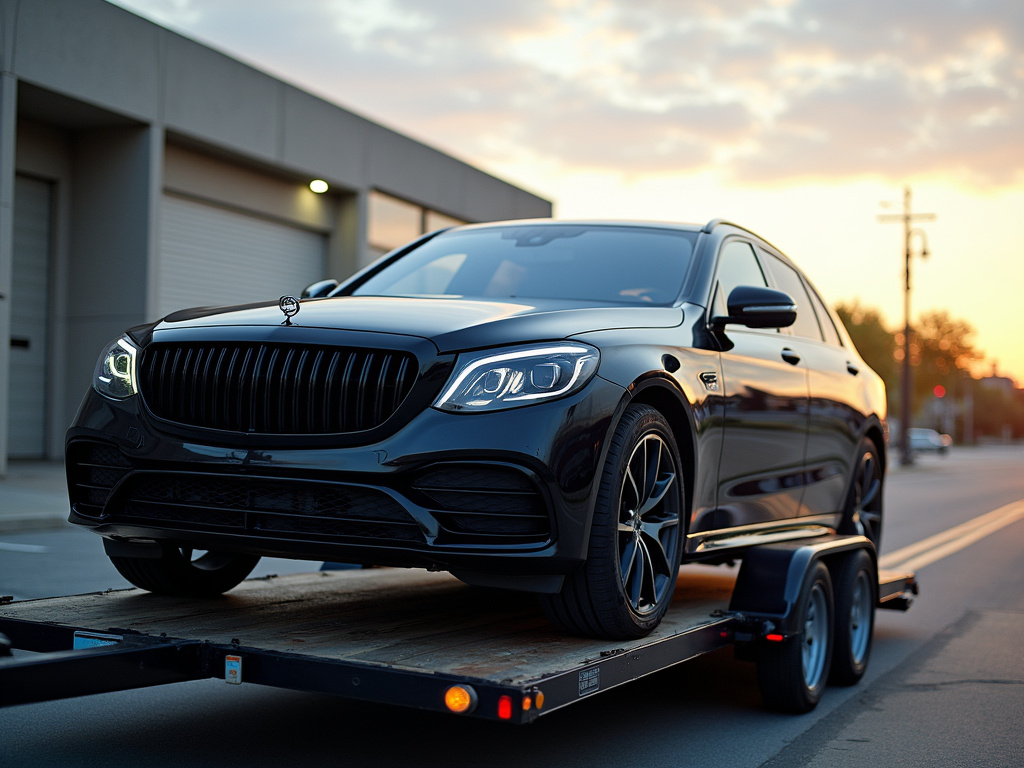
Understanding Car Shipping Regulations in Texas
Navigating car shipping regulations in Texas is important for both individuals and businesses looking to transport vehicles within the state or across its borders. Texas, being a bustling hub for automotive commerce, is subject to federal and state laws designed to ensure safe and efficient car shipping. Understanding these regulations is not just a legal requirement but also a key factor in determining whether the texas is worth your time and money.
The Federal Motor Carrier Safety Administration (FMCSA) sets the national standards for car shipping, enforced through the Texas Department of Motor Vehicles (DMV). These regulations cover a wide range of aspects, including driver qualifications, vehicle safety inspections, and compliance with environmental standards. Drivers transporting cars across state lines must be licensed by the FMCSA, adhering to strict hours-of-service rules to prevent fatigue. This ensures that the car shipping process is not just legal but also safe, reducing the risk of accidents and delays.
Determining how long the texas takes depends on several factors, including the distance, vehicle weight, and the number of stops required. On average, it can take anywhere from a few days to a week for a car to be delivered, with more complex shipments potentially taking longer. Shipping a car from Houston to Dallas, a distance of approximately 230 miles, typically takes around 3-4 days. However, if the vehicle is particularly large or needs specialized handling, the process could extend to a week or more. Knowing these timelines helps customers set expectations and plan accordingly.
Whether the texas is worth it depends on your specific circumstances. For individuals moving across state lines, car shipping can be a convenient and often cost-effective option, saving time and stress compared to driving long distances. Businesses, on the other hand, should consider the overall cost, including shipping fees, potential delays, and the condition of the vehicle upon delivery. Online car shipping platforms offer a transparent way to compare quotes from multiple auto transport companies, making it easier to decide if the texas aligns with your operational needs. Remember, understanding and adhering to these regulations is not just about compliance; it’s about ensuring a smooth, reliable, and potentially cost-saving car shipping experience.
Choosing the Right Car Shipping Company in Texas
Choosing the right car shipping company in Texas is an important step in ensuring a smooth and stress-free vehicle transportation process. The state’s vast size and diverse terrain necessitate a car shipping expert who understands the unique challenges of each route. What are the alternatives to traditional The texas? Options include self-transport, which can be cost-effective but logistically demanding, or using online platforms that connect owners with auto transporters, offering both efficiency and price transparency.
The texas process involves several key steps. First, customers provide detailed information about their vehicle and destination. Then, transporters offer quotes based on weight, distance, and vehicle type. Once agreed upon, the company schedules pickup, handles paperwork, and ensures the vehicle’s safe arrival. According to the Federal Motor Carrier Safety Administration (FMCSA), nearly 60% of car shipping customers opt for reliable, licensed carriers, underscoring the importance of professional services.
When choosing the texas provider, consider these factors. First, verify their license and insurance through the Texas Department of Motor Vehicles (DMV) and FMCSA. Next, review customer reviews and ratings to gauge satisfaction levels. Look for companies with a proven track record and experience handling your specific vehicle type. Specialized transport for classic cars or luxury vehicles may require unique expertise. Ensure clear communication channels for updates and efficient problem resolution. By carefully selecting a carrier, you can expect a smooth journey for your vehicle, whether across Texas or beyond its borders.

| Factor | What to know |
|---|---|
| Average cost | $750-$1500 depending on distance and vehicle type |
| Delivery time | Houston to Dallas (~230 miles) takes about 3-4 days |
| Regulatory oversight | Governed by Texas DMV and FMCSA rules |
| Carrier verification | Check license and insurance via DMV and FMCSA |
| Licensed carrier usage | Nearly 60% of customers choose licensed carriers |
| Alternatives to traditional shipping | Self-transport or online platforms connecting owners with transporters |
Optimizing Cost and Logistics for Texas Car Shipping
Optimizing the cost and logistics of the texas involves navigating a complex but manageable field. First, let’s address the legal requirements. The Texas Department of Motor Vehicles (DMV) and the Federal Motor Carrier Safety Administration (FMCSA) oversee the industry, ensuring safety and compliance. The Texas Transportation Code provides a regulatory framework, with specific rules for vehicle carriers and their operations. Understanding these laws is important to qualifying for car shipping services, as it dictates the types of vehicles that can be transported, carrier licensing, and weight restrictions.
For duration, the texas can vary significantly. For domestic shipments, the process usually takes 3 to 7 days, depending on the distance and the carrier’s schedule. International car shipping can extend this timeline by up to two weeks or more, including customs clearance and documentation. Efficient logistics planning, such as coordinating pickup and delivery dates, can help streamline these timelines.
Choosing a car shipping provider in Texas involves several considerations. Online car shipping platforms offer a convenient way to compare rates and services, while dedicated auto transport companies may provide more personalized attention. Customer support hotlines and reviews are invaluable tools for evaluating potential providers. Look for companies with a strong track record, as reflected in positive customer reviews and industry certifications. Understanding the different types of car shipping—open, enclosed, or specialized carriers—can help you select the best option based on your vehicle’s condition and delivery requirements. Classic cars or luxury vehicles may warrant enclosed transport for added protection.
Frequently Asked Questions About Car Shipping Texas
What is involved in the texas?
The texas involves transporting vehicles from one location to another, usually over long distances. This process includes pickup, loading, secure transportation, and delivery. Companies use various vehicles, from trucks and trailers to specialized carriers, depending on the type and quantity of cars being shipped. The route and mode of transportation (interstate, local, or international) can also vary, affecting the overall shipping time and cost.
How much does the texas cost?
Car shipping costs in Texas vary based on several factors, primarily the vehicle’s weight, size, distance traveled, and the shipping company’s rates. A typical car shipping quote includes a base rate, a weight fee, and sometimes additional charges for special handling, over-size vehicles, or long-distance travel. On average, shipping a car within Texas can cost between $75 and $250, while interstate shipping can range from $500 to $1500 or more, depending on the above factors.
What are the best methods for shipping a car in Texas?
The best method for shipping a car in Texas largely depends on the individual’s needs. Common options include:
- Open-deck Truck Shipping: Ideal for smaller, lightweight vehicles, offering a cost-effective solution.
- Enclosed Trailer Shipping: Provides better protection for luxury or classic cars, suitable for longer trips.
- Intermodal Shipping (Rail/Truck): A combination of rail and truck transport, efficient for long-distance moves.
- Door-to-Door Services: Companies offer direct delivery to the sender’s location, convenient but potentially more expensive.
How long does the texas take?
Shipping times in Texas can vary significantly. Local deliveries within the state might take a few days, while long-distance shipments can take up to two weeks or more. The time frame is influenced by traffic conditions, weather, and the shipping company’s efficiency. Moving a car from Houston to Dallas (approx. 230 miles) could take 2-3 days, while a cross-state journey from El Paso to Austin (over 600 miles) could extend the shipping time to a week or more.
What documentation is required for the texas?
For the texas, you’ll need to provide essential documentation to ensure a smooth process. This typically includes:
- Proof of ownership (vehicle registration or title)
- A valid driver’s license
- Insurance information
- A bill of lading or shipping order, which serves as a contract between the shipper and the carrier.
- In some cases, a vehicle inspection report or a roadworthiness certificate might be required, especially for international shipping.
Can I track my car during shipping in Texas?
Yes, most reputable car shipping companies offer tracking services. You can monitor the progress of your shipment using a unique tracking number provided by the carrier. This allows you to see the current location, expected delivery date, and sometimes even real-time updates on the vehicle’s status.
What are the benefits of using a specialized car shipping company in Texas?
Utilizing a specialized car shipping company offers several advantages:
- Expertise: These companies have extensive knowledge of local regulations and routes, ensuring a smoother process.
- Insurance: They typically provide comprehensive insurance coverage for shipped vehicles, offering peace of mind.
- Efficiency: Specializing in car shipping means they can optimize routes and loading, potentially saving time and money.
- Customer Support: Specialized carriers often provide 24/7 support, addressing any concerns promptly.
For the texas, understanding the regulations, selecting the right company, and optimizing costs are important for a smooth experience. By adhering to the Texas Department of Motor Vehicles (DMV) and Federal Motor Carrier Safety Administration (FMCSA) guidelines, you ensure compliance and safety. Choosing reputable auto transport companies from the many online platforms available, paired with efficient logistics planning, can significantly reduce costs and time. The key lies in balancing service, price, and reliability. Moving forward, clients can use customer reviews and support hotlines for informed decisions, ultimately enhancing the efficiency of The texas.