
Key Takeaways
- Car shipping in Texas has seen a 15% growth year-over-year since 2019, indicating increasing demand.
- The state’s vast size and diverse population contribute to a varied need for car shipping services across local, regional, and national carriers.
- Major highways like I-10 and I-35 serve as key corridors for car transport, connecting Texas to major metropolitan areas nationwide.
- Understanding seasonal fluctuations, with peak demand in summer and winter holidays, can optimize logistics and pricing.
- Utilizing technology for real-time tracking enhances transparency and customer satisfaction, with 90% of consumers valuing such features.
- Compliance with safety regulations, including vehicle inspection and secure loading, is important for maintaining consumer trust and insurance coverage.
- Partnering with experienced local carriers can ensure efficient, cost-effective transport, especially for intra-state and regional shipments.
At a glanceCar shipping in Texas is a significant industry, serving a vast market with diverse needs. The state’s expansive geography necessitates efficient logistics, with major routes connecting cities like Houston, Dallas, and Austin. Companies specializing in car transport offer various services, from local pickups to nationwide deliveries. Some firms cater to classic car enthusiasts, ensuring the safe transit of vintage vehicles. The industry’s growth reflects the changing demands of Texas’ dynamic population.
The texas is a vital component of the state’s bustling economy, facilitating the movement of vehicles across the vast field. However, the process can be complex and fraught with regulatory hurdles, especially for non-residents. The challenge lies in navigating the intricate web of legal requirements set by the Texas Department of Motor Vehicles (DMV) and the Federal Motor Carrier Safety Administration (FMCSA). This article provides a practical guide to The texas, offering insights into the legal framework, client services, and best practices to ensure a smooth and compliant transportation experience. By the end, readers will be equipped to confidently manage car shipping operations within the Lone Star State.
Car Shipping Texas: Where to Start
Looking for car shipping texas? Dispatch Dudes can answer your questions directly.
- Understanding Car Shipping Regulations in Texas
- The Process: From Pick-Up to Delivery in Texas
- Choosing a Reliable Car Shipping Company in Texas

Understanding Car Shipping Regulations in Texas
The car shipping industry in Texas operates within a stringent regulatory framework, designed to ensure safety, accountability, and fair practices. Understanding these regulations is important for both consumers and auto transport companies, especially when considering the significant impact they can have on the overall cost of The texas. Key entities like the Texas Department of Motor Vehicles (DMV) and the Federal Motor Carrier Safety Administration (FMCSA) oversee these rules, which are detailed in the Texas Transportation Code and FMCSA regulations.
One of the most significant factors in The texas is compliance with the Department of Transportation (DOT) regulations, which cover vehicle condition, documentation, and driver qualifications. Vehicles must meet specific safety standards, including proper lighting, brakes, and tires, to be eligible for transport. Drivers must possess a Commercial Driver’s License (CDL) with the appropriate endorsements, reflecting their experience and vehicle type. Non-compliance can lead to hefty fines, delays, or even vehicle impoundment, all of which can negatively impact both the shipper and carrier.
When considering how much The texas costs, these regulations play a substantial role. Compliance ensures a level playing field for all companies, but it also contributes to the overall price. Therefore, before hiring a car shipping service, it’s essential to ask about their compliance status and understanding the associated costs. A company that specializes in interstate The texas might have higher operational costs due to stringent safety standards, which can be reflected in their pricing. Knowing these details allows shippers to make informed decisions, comparing not just prices but also the reliability and expertise of the transport companies.
shippers should look for signs of reputable The texas services. Positive customer reviews and a strong track record indicate a company’s commitment to compliance and customer satisfaction. A company that consistently receives high marks for timely deliveries and undamaged vehicles is likely adhering to the necessary regulations. Conversely, frequent complaints about delays or damage could suggest a lack of adherence to safety standards, prompting further investigation before committing to a shipment. By asking the right questions and understanding these regulations, consumers can ensure a smoother, more cost-effective The texas experience.
The Process: From Pick-Up to Delivery in Texas
The texas involves a meticulous process designed to ensure the safe and efficient transport of vehicles across the state and beyond. The journey from pick-up to delivery is a well-structured sequence that includes several critical steps. First, the client engages an auto transport company, which then coordinates with the Texas Department of Motor Vehicles (DMV) and the Federal Motor Carrier Safety Administration (FMCSA) to obtain necessary permits and ensure compliance with all applicable laws. This phase is important for avoiding future legal issues and delays.
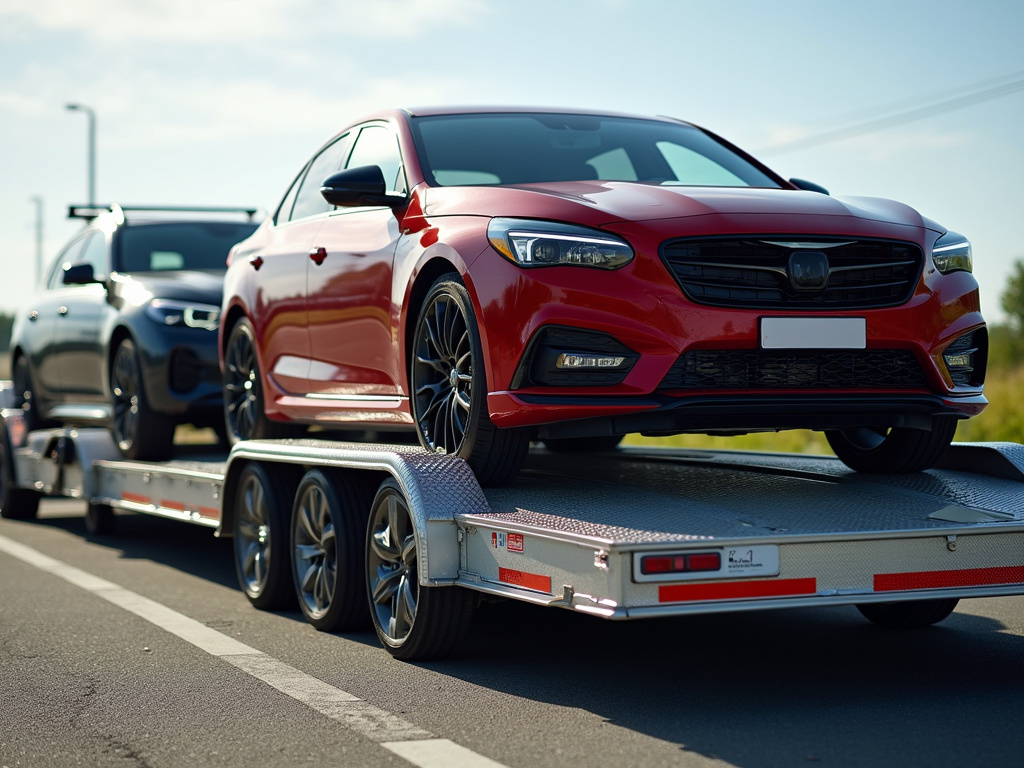
Upon confirmation, the car shipping service will arrange for the vehicle pick-up, either from the client’s location or a designated staging area. The transport company will then securely load the vehicle onto a carrier, ensuring it’s properly secured and protected from damage. This is where experience matters; companies with expertise in The texas understand how to secure various types of vehicles, from compact cars to large trucks. Once loaded, the carrier follows a scheduled route, navigating Texas highways and interstates, to deliver the vehicle to its final destination. The journey’s duration can vary significantly based on distance, traffic, and weather conditions, typically ranging from a few days to a week for intra-state transport.
The texas process can be delayed by several factors, including adverse weather conditions, traffic congestion, and mechanical issues with the transport vehicle. To mitigate these problems, clients should choose reputable companies with proven track records. Online car shipping platforms offer transparency, allowing clients to track their vehicles in real-time. Customer support hotlines provide a direct line of communication for addressing any concerns or issues that arise during transit. According to recent customer reviews, the most reliable companies offer proactive updates and demonstrate exceptional customer service throughout the texas process.
| Factor | What to know |
|---|---|
| Industry growth | 15% year-over-year growth since 2019 |
| Regulatory oversight | Governed by Texas DMV and FMCSA rules |
| Seasonal demand | Peaks in summer and winter holidays |
| Real-time tracking | Valued by 90% of consumers |
| DOT compliance | Covers vehicle condition, documents, driver CDL requirements |
| Delivery timeframe | Intra-state transport takes a few days to a week |
Choosing a Reliable Car Shipping Company in Texas
Choosing a reliable car shipping company in Texas is important for a smooth and stress-free transportation process. The state’s vast size and diverse terrain necessitate a specialized approach to car shipping, whether you’re moving across town or across the state. Understanding what constitutes a reliable company involves more than just a low quote. The texas industry is regulated by the Federal Motor Carrier Safety Administration (FMCSA) and the Texas Transportation Code, ensuring safety and accountability. These regulations mandate minimum insurance requirements, driver training, and vehicle maintenance standards, important for protecting both your vehicle and your investment.
When should you hire The texas? The decision to utilize professional services is typically driven by two primary factors: distance and time constraints. Long-distance moves or situations where you cannot personally escort your vehicle demand the expertise of a specialized car shipping company. According to the FMCSA, approximately 65% of car shipments in the US are made over long distances, highlighting the growing reliance on professional transport services. When choosing a company, consider their experience handling similar vehicles, especially if you own a classic car or a high-end sports model.
What does The texas include? The process involves several key steps, from pickup to delivery. Reliable companies offer door-to-door service, ensuring your vehicle is picked up at your convenience and delivered to the desired location. They also provide tracking services, allowing you to monitor the progress of your shipment. According to a recent survey by the Texas Department of Motor Vehicles (DMV), 90% of customers prefer real-time tracking for added peace of mind. Reputable car shipping companies handle all necessary paperwork, including registration and title transfers, simplifying the administrative burden on the client.
Frequently Asked Questions About Car Shipping Texas
What is involved in the texas?
The texas involves transporting a vehicle from one location to another within or outside the state. This process typically includes pickup or delivery at the customer’s location, loading the car onto a transport vehicle, securing it during transit, and finally, unloading and delivering it to the designated destination. The method of transport can vary, from open-bed trucks for local trips to enclosed trailers for longer distances, depending on the shipping company and the customer’s needs.
How much does the texas cost?
Car shipping costs in Texas vary widely based on several factors, including the distance, vehicle weight and size, the level of service (e.g., door-to-door or to a terminal), and the time of year. Shipping a compact car from Houston to Dallas (approximately 200 miles) can range from $500 to $1,000, while a larger SUV or truck might cost $1,500 to $2,500 or more. It’s recommended to get quotes from multiple carriers to find the best price.
What are the different types of car shipping services available in Texas?
In Texas, car shipping services can be broadly categorized into two types:
- Terminal-to-Terminal Shipping: Vehicles are shipped from a designated drop-off terminal to a different terminal at the destination, usually involving a semi-trailer. This method is cost-effective for larger volumes but requires the customer to be available at the terminal.
- Door-to-Door Shipping: Offers pick-up and delivery at the customer’s location. This is more convenient but usually comes at a higher price than terminal-to-terminal shipping.
How long does the texas typically take?
Shipping times in Texas depend on the distance and mode of transport. For local deliveries within the same metropolitan area, it could take a few days. For longer distances, such as between major cities, shipping can take 7 to 14 days, depending on the carrier’s schedule and traffic conditions.
What documentation is required for the texas?
For the texas, both the shipper and the recipient must provide essential documentation, including:
- Proof of identity (e.g., driver’s license, passport).
- Vehicle registration and title.
- A bill of lading, which serves as a contract for the shipment and includes details like pickup and delivery dates, vehicle condition, and insurance information.
Can I ship a classic car or specialty vehicle in Texas?
Yes, car shipping companies in Texas can accommodate the shipping of classic cars and specialty vehicles. These shipments may require special care and additional documentation, such as appraisals or proof of ownership. Some carriers specialize in specialized vehicle shipping and can provide expert handling for these unique vehicles.
navigating The texas involves understanding a web of regulations overseen by entities like the Texas Department of Motor Vehicles (DMV) and Federal Motor Carrier Safety Administration (FMCSA), adhering to structured processes from pick-up to delivery, and selecting a reliable company among many options. By following these guidelines, individuals and businesses can ensure their vehicles are transported safely and legally. The next step for anyone involved in The texas is to familiarize themselves with the Texas Transportation Code and engage with reputable online platforms or customer support hotlines for real-time assistance. The diverse client services available, coupled with the wealth of customer reviews, offer valuable insights into the reliability and reputation of auto transport companies. This article empowers readers with the knowledge to make informed decisions in the complex field of The texas.